
Extra Home Loan Repayments: Why Every Dollar Works Harder When Rates Are High

Written by Written by Victor Kalinowski, Mortgage Broker and Founder of Blackk
Written by Written by Victor Kalinowski, Mortgage Broker and Founder of Blackk


You can't control interest rates, or the price of groceries, fuel or power. You can control the decision to make extra repayments on your home loan, and right now you're rewarded for it more than at any time since 2011.
Because rates are higher, every extra dollar you repay works harder for you and saves you more interest.
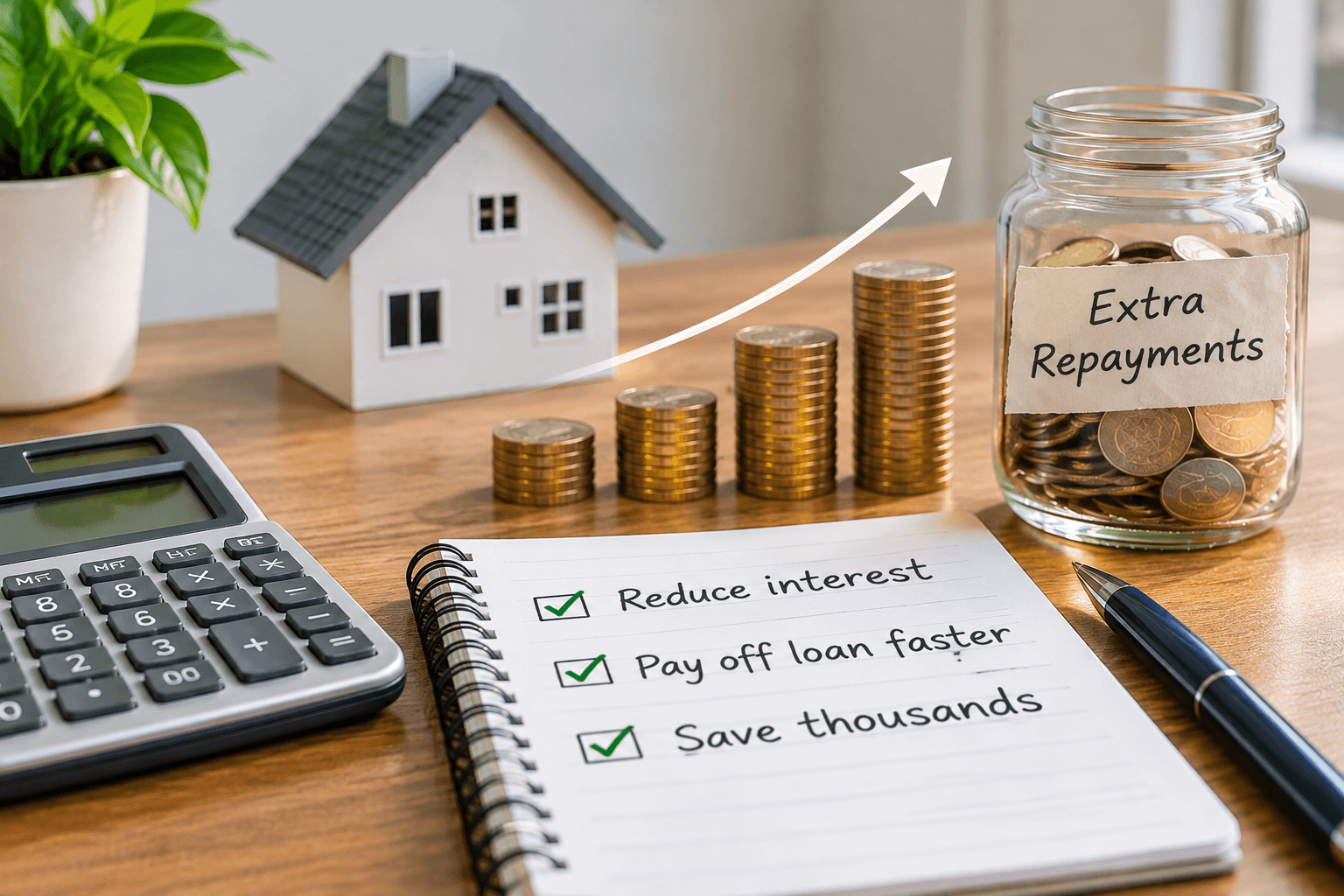
- Extra repayments on your home loan go straight to principal, and you never pay interest on that amount again.
- At 6.3%, each extra $1,000 saves about $63 a year in interest, almost three times what it saved at 2.3%.
- An extra $129 a week on a $600,000 loan could cut about 8 years and 8 months off the loan and save about $247,000 in interest.
- Even $50 a week in extra mortgage repayments could save about $124,000 and take around 4 years off.
Higher interest rates cost you more every week, and they've arrived while everything else is expensive too. There's no upside to paying more interest.
But there is one thing most people miss. When rates are high, every extra dollar you put into your home loan saves you more interest than it would when rates are low. You're rewarded for increasing your savings.
Your regular repayment is split two ways: interest, and principal (the amount you actually owe). Any extra repayment goes 100% to principal, and once that principal is gone, you never pay interest on it again.
So the higher the rate, the more interest each extra dollar avoids:
| Interest rate | Interest saved each year on an extra $1,000 |
|---|---|
| 2.3% | About $23 |
| 6.3% | About $63 |
Same effort, almost three times the reward.
Take a $600,000 loan at 6.3% over 30 years. The weekly repayment is about $856. In the first week, $727 of that is interest and only $129 comes off the loan.
Now say the borrower adds an extra $129 a week, paying $985 instead of $856. The interest stays the same, but the amount coming off the loan doubles to $258.
| First week | Minimum repayment | With $129 extra |
|---|---|---|
| Total weekly repayment | $856 | $985 |
| Interest | $727 | $727 |
| Paid off the loan | $129 | $258 |
Keep that up for the life of the loan, and the loan is paid off about 8 years and 8 months sooner, saving about $247,000 in interest.
Even an extra $50 a week on the same loan saves about $124,000 in interest and takes around 4 years off the loan.
| Extra each week | Time saved | Interest saved |
|---|---|---|
| $50 | About 4 years | About $124,000 |
| $129 | About 8 years and 8 months | About $247,000 |
Every dollar counts, and the sooner you start, the more it saves. For more ways to get ahead, read our guide on how to pay off your mortgage faster.
Everyone has times when they can't keep up higher repayments, and that's OK. You can go back to your minimum repayment.
Before you start, check that your loan allows extra repayments. Most variable rate loans do, while fixed rate loans often limit how much extra you can pay. See fixed or variable home loan for the differences. An offset account is another way to reduce interest while keeping your savings easy to access.
A lower interest rate and extra repayments together make the biggest difference. When we run your numbers, we'll also check you're on the sharpest rate we can find. If your rate isn't competitive, it may be time to refinance your home loan. You can also read how to reduce your home loan repayments.
Use our home loan repayments calculator to see your current repayments, then talk to us about what different extra amounts could save on your loan. Think of it as an extra repayment calculator built around your numbers, showing how much faster you could pay off your home loan.
Extra home loan repayments FAQs
Yes. Your regular repayment covers interest first, but any amount you pay on top of it reduces the principal you owe.
On a $600,000 loan at 6.3% over 30 years, an extra $50 a week saves about $124,000 in interest and takes around 4 years off the loan.
Often only up to a limit set by the lender. Check your loan terms before you start, or ask us to check them for you.
Yes. If money gets tight, you can usually go back to your minimum repayment.
Check your loan documents. If a single loan lists more than one property as security, or one property secures loans used for different purchases, your loans are likely cross-collateralised. A broker can review this for you.
Want to know what this looks like for your loan? Book a call and we'll run the numbers for your loan and check you're on the sharpest rate we can find.
This information is general in nature and is to be used as a guide only. Please get in touch for advice on your personal situation.

Victor Kalinowski
Mortgage Broker and Founder of Blackk
I’m Victor Kalinowski and a Brisbane Mortgage Broker at Blackk Mortgage Brokers. I’ve helped thousands of people get loans for their homes and investment properties.


99.9% Approval Rate
Insider advice to negotiate making a successful offer on a home

Award Winning Mortgage Broker
If you are happy with the service from your current lender, but would like a better deal.

Work with Victor, not with random brokers
If you are happy with the service from your current lender, but would like a better deal.

with 99.6% first time success rate
No Obligations


Subscribe to get tips on home loans and property straight to your inbox
By downloading you agree to receiving occasional and only useful emails from us.

